

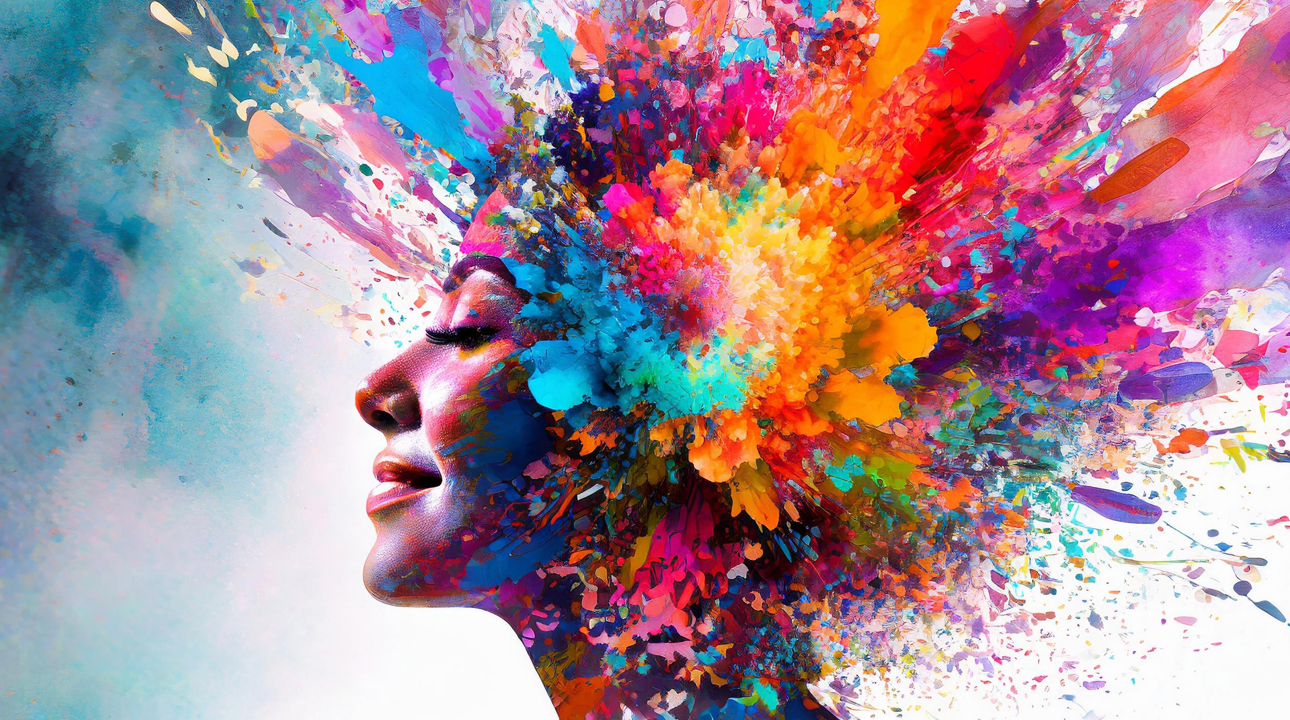
Understanding the psychology of color helps brands communicate clearly, connect emotionally, and stand out in competitive markets.
Roberto Sanchez
How Color Shapes Perception, Emotion, and Brand Loyalty
Color is one of the most powerful tools in brand identity. Before a word is read or a logo is understood, color triggers emotion, sets expectations, and influences decision-making. At Magika Studios, we approach color not as decoration—but as strategy.
Understanding the psychology of color helps brands communicate clearly, connect emotionally, and stand out in competitive markets.
Why Color Matters in Branding?
Studies show that people form a first impression of a brand within seconds—and color plays a dominant role in that process. The right color palette can:
- Increase brand recognition
- Evoke trust and credibility
- Influence purchasing behavior
- Create emotional connections
- Differentiate your brand from competitors
Color speaks directly to the subconscious, making it a critical component of any successful brand identity.

How Colors Influence Perception
While color perception can vary across cultures and industries, certain emotional associations are widely recognized:
- Red – Energy, passion, urgency, power
- Often used to stimulate action and excitement.
- Blue – Trust, stability, professionalism
- Popular in corporate, tech, and healthcare brands.
- Yellow – Optimism, warmth, creativity
- Grabs attention and conveys positivity when used carefully.
- Green – Growth, balance, sustainability
- Common in wellness, finance, and eco-conscious brands.
- Black – Sophistication, authority, luxury
- Creates a strong, timeless, and premium impression.
- White – Simplicity, clarity, purity
- Enhances minimalism and improves visual balance.
Color and Brand Personality
Your color palette should reflect who you are as a brand—not just what looks good. Bold brands may lean into high-contrast or vibrant tones, while refined brands often favor muted or monochromatic palettes.
At Magika Studios, we align color choices with:
- Brand values and mission
- Target audience psychology
- Industry positioning
- Emotional goals and storytelling
This ensures consistency across logos, packaging, websites, social media, and marketing materials.
Cultural and Contextual Considerations
Color meaning isn’t universal. Cultural context, market location, and industry standards all influence how color is perceived. A color that conveys trust in one region may signal caution in another.
That’s why strategic research and testing are essential parts of our branding process—especially for global or multicultural brands.
Creating a Cohesive Color System
Effective brand identity goes beyond choosing one color. It requires a flexible system:
- Primary and secondary color palettes
- Accent colors for emphasis
- Accessibility and contrast compliance
- Scalability across digital and print platforms
A well-built color system ensures brand consistency while allowing creative freedom.

Color as a Strategic Brand Asset
When used intentionally, color becomes a silent brand ambassador—reinforcing recognition, shaping emotion, and influencing behavior at every touchpoint.
At Magika Studios, we combine psychology, strategy, and design to create color-driven brand identities that resonate, differentiate, and endure.
Ready to define your brand through color?